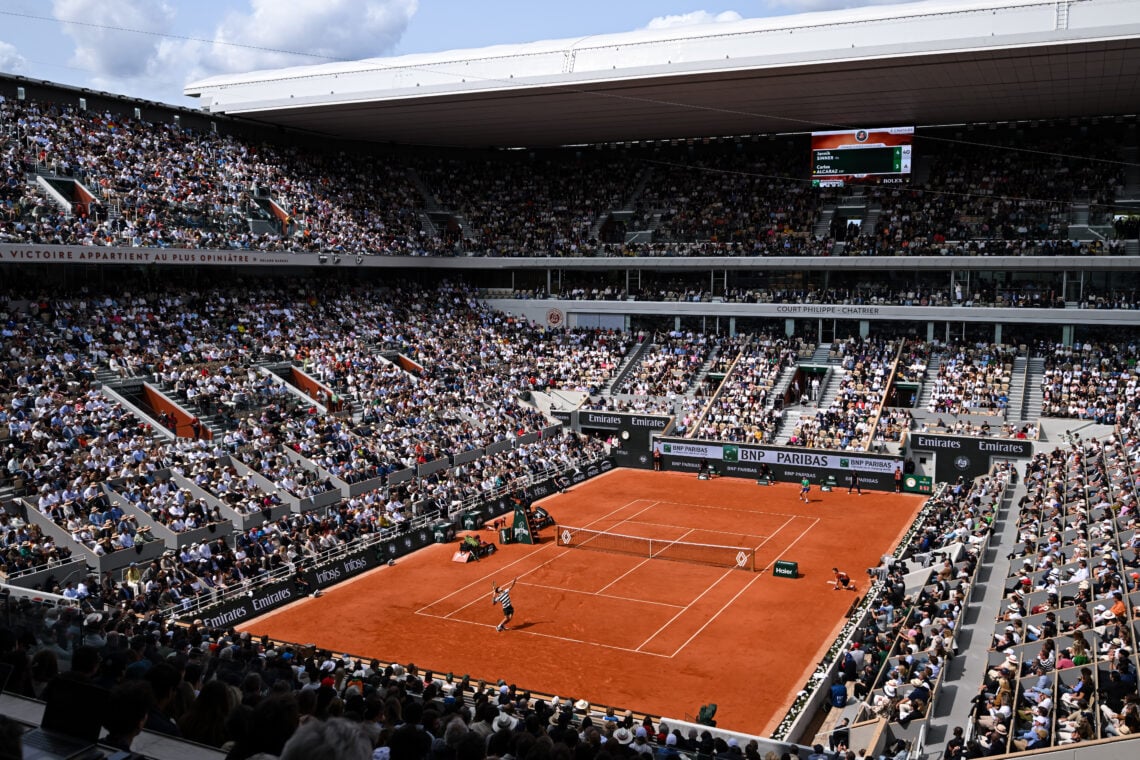

The French Open received mixed feedback throughout the 2025 tournament.
What can be said is that the two singles finals certainly delivered, concluding with Carlos Alcaraz’s victory over Jannik Sinner.
While in the women’s singles tournament, Coco Gauff stunned Aryna Sabalenka to win her second major title.
These finals have certainly left a good taste in the mouths of tennis fans, but some of the French Open’s decisions have left much to be desired.
Three changes the French Open needs to announce for the 2026 tournament
There are always things that tennis events can improve, but there were three specific things that stood out about the French Open this year.
Night session matches
Perhaps the most noteworthy and important of those is the lack of women’s matches in night sessions.
There is only one match picked by the French Open for the night session, and for the 2025 tournament every single one of those was taken up by men’s singles matches.
Since night sessions were introduced to the French Open in 2021, only four of them have involved women and the last time that happened was at the 2023 tournament when Sabalenka played Sloane Stephens.
Sabalenka has been critical of the French Open alongside many other WTA players including Jessica Pegula and Ons Jabeur.
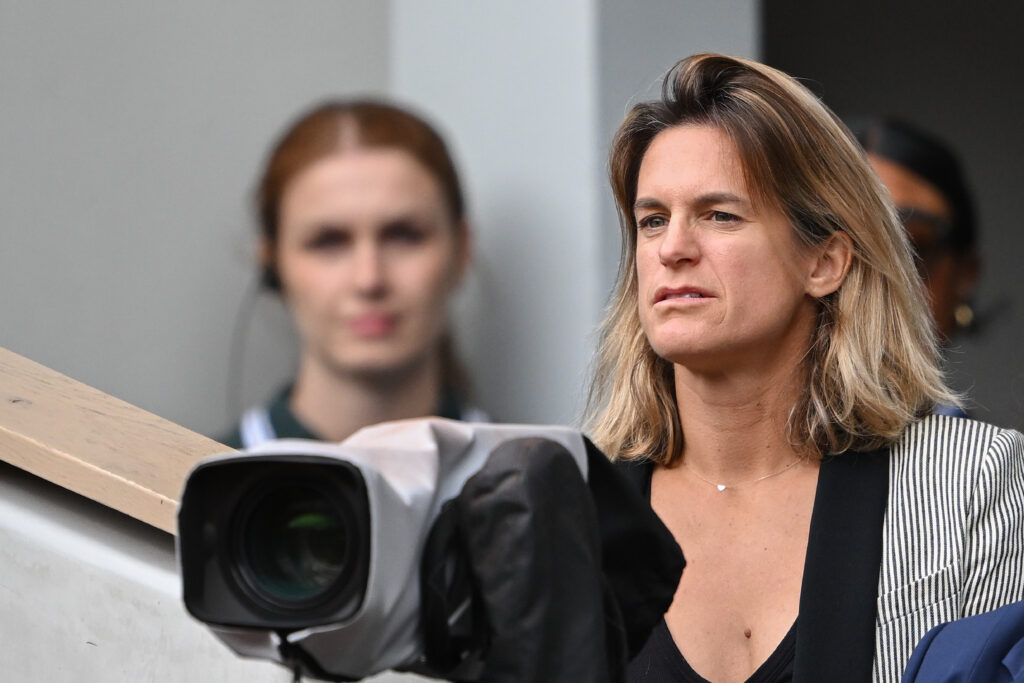
However, former world number one and now French Open tournament director Amelie Mauresmo made some surprising comments in her press conference at the tournament that continued this criticism.
Mauresmo claimed that women’s matches being best-of-three sets was a factor in them not being selected so much, leading to suggestions about how women can be included in the French Open night session.
Whether it be placing two women’s matches in the night session or not, what cannot continue in 2026 is this complete inequality from one of the biggest sporting events.
Electronic Line Calling
One of the unique things about the French Open is its continued use of line judges, something that was not the case for other big clay court tournaments in Madrid and Rome.
The French Open explained its reasoning for this decision, but not everyone was on board with it.
Alcaraz was impartial to electronic line calling, but his French Open final opponent Sinner could have done with it.
In the deciding set of the French Open final, the tournament was criticised after Alcaraz’s serve was not called out despite Sinner’s pleas.
This was not the only time that this happened, with the French Open’s decision being labelled useless by a former doubles world number one.
While the traditional use of line judges does have its sentimentality, it does feel like the French Open need to keep up with the times and use the technology that is available to them.
Closing the roof
The conditions in Paris varied dramatically throughout the fortnight of the tournament, from heatwaves to blustery winds.
This felt particularly prevalent in the women’s singles final, where Sabalenka really struggled with the wind against Gauff.
Gauff had prepared for rain in that final and had actually practised under the roof that was never even used.
This begs the question as to when the roof at tennis tournaments should actually be used on show courts like Court Philippe-Chatrier.
The French Open is an outdoor tennis tournament and therefore the more tennis played outside the better.
However, when it comes to the detriment of the quality of a tennis match there could be something for the French Open to consider next year.
Who played in the four women’s matches that have been in the French Open night session since 2021?
Of the 52 night session matches that have taken place at the French Open since they were introduced in 2021, only four of them have involved women.
That number is even more staggering when you consider that in the last two years none of the 22 night session matches have contained women.
From the four previous night women’s session matches at the French Open, three of those have been in straight sets and have averaged at one hour and 41 minutes.
This is still longer than the three set victory for Alcaraz over Tommy Paul, the men’s quarter-final match that was placed in the night session this year.
| Year | Women’s Night Session Match | Score | Time |
| 2021 | Serena Williams vs Irina-Camelia Begu | Williams won, 7-6(6) 6-2 | 1 hour and 44 minutes |
| 2021 | Iga Swiatek vs Marta Kostyuk | Swiatek won, 6-3 6-4 | 1 hour and 34 minutes |
| 2022 | Jelena Ostapenko vs Alize Cornet | Cornet won, 6-0 1-6 6-3 | 1 hour and 43 minutes |
| 2023 | Aryna Sabalenka vs Stephens | Sabalenka won, 7-6(5) 6-4 | 1 hour and 43 minutes |
Due to the evidence that has shown itself at the French Open this year, as well as the backlash that they have received, Mauresmo should perhaps consider changing her approach in 2026.
Receive exclusive tennis news and updates twice a week to your mailbox