


With tennis always after new innovation, the ITF have confirmed a major rule change will be coming at the beginning of 2025.
The tennis season is quickly coming to an end with the Asian swing all but concluded.
With Jannik Sinner having confirmed his status as the year-end number one and Aryna Sabalenka having just overtaken Iga Swiatek to top spot, a thrilling 2025 season will soon be upon us.
Exciting but somewhat controversial news was announced this month about Wimbledon’s plan to get rid of line judges and, like the Australian and US Open, replace them with electronic line-calling.
A spate of new rules came in at the US Open this year too, all of which broadly didn’t suffer any major hiccups.
With 2025 fast-approaching, the ITF have announced a major rule change that it claims will liven up the game.
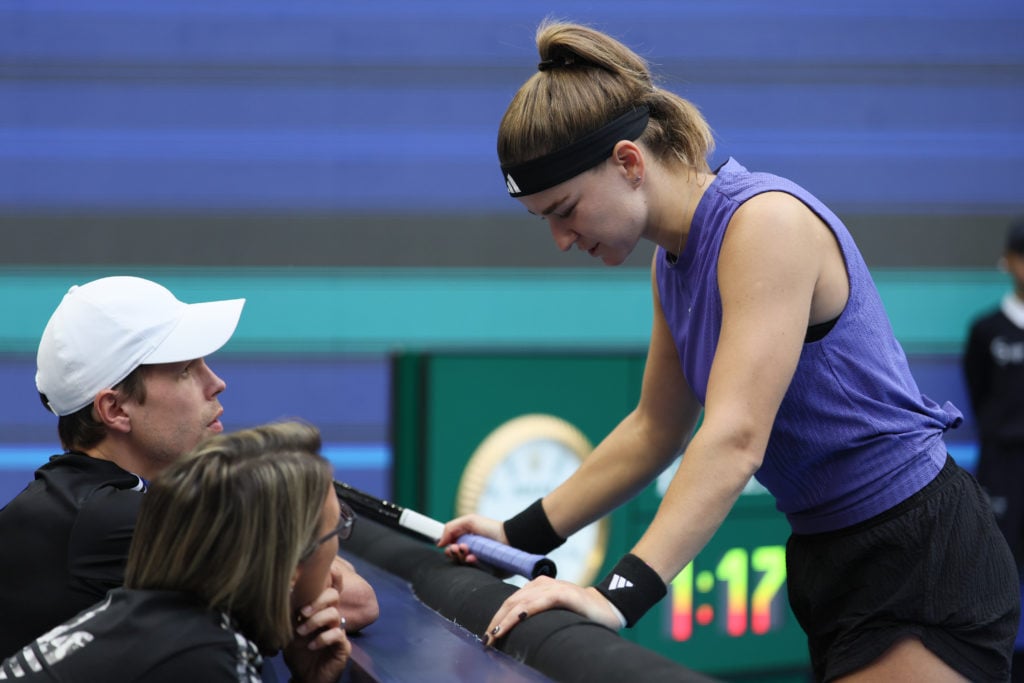
ITF announce off-court coaching to be allowed in 2025
In another new and exciting change to tennis, the ITF have said that coaches will be allowed to advise their players off-court.
The ITF said: “Following a majority vote from National Association delegates at the 2024 ITF AGM in Hong Kong, the ITF Rules of Tennis will be amended to allow off-court coaching from 1 January 2025.”
While they have said that coaching when coming from an off-court location will now be permitted, the ITF have sought to clarify that their position on on-court coaching has not changed.
They added: “In team events only, where a team captain sits on-court, the team captain may give coaching the player(s) at such times permitted by the sanctioning body concerned.”
In all other competitions, on-court coaching will not be allowed.
Why make this change to the coaching rules?
The ITF say that they have aide this decision, with the players and officials welfare and enjoyment at the forefront.
The change will align the approaches to coaching across the international sanctioning bodies of tennis. Having this kind of rule consistency makes sense for players and allows everyone to know exactly where they stand.
The ITF have suggested that the change will both reduce the burden on Chair Umpires to police current restrictions on coaching, while also limiting the scope for subjectivity in the enforcement of punishment.
Importantly, they have also added that it will enable the development of players and make tennis fairer and maybe even more entertaining.
Receive exclusive tennis news and updates twice a week to your mailbox