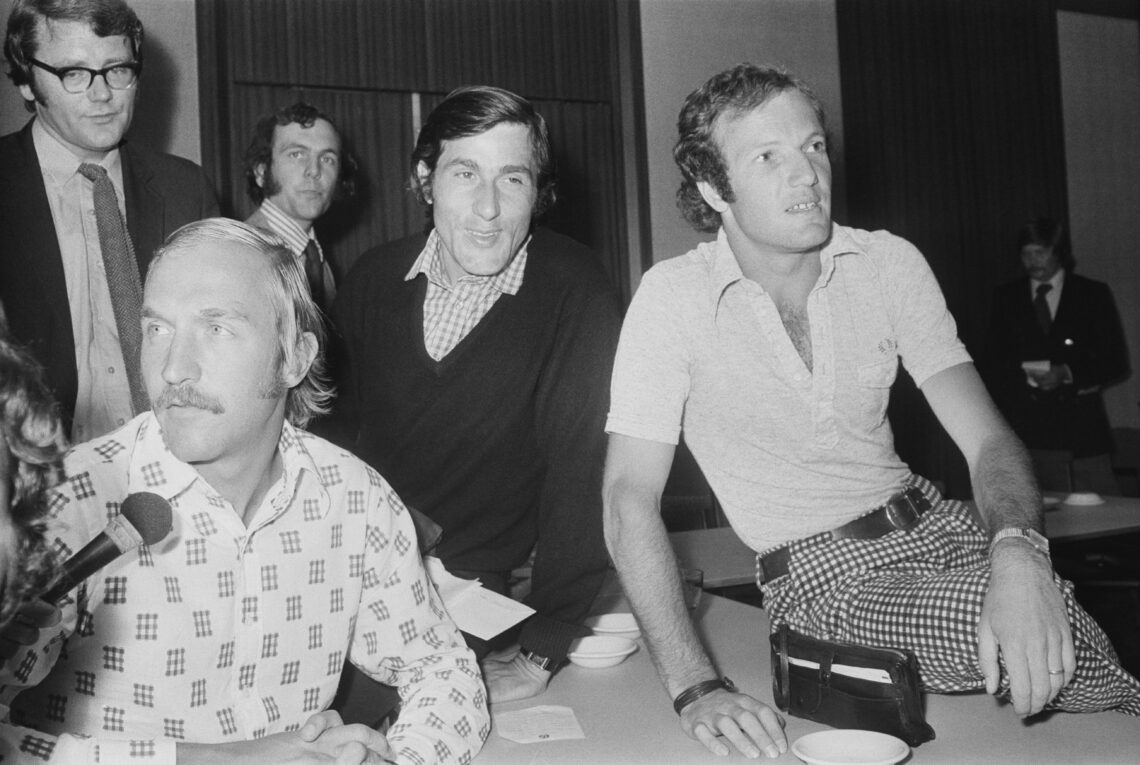

The 2025 Wimbledon tournament is right around the corner, as the stars of the ATP Tour prepare to battle it out on the grass.
In 2024, Carlos Alcaraz beat Novak Djokovic in the Wimbledon final, defending the title he won one year earlier.
Alcaraz is the heavy favorite to win a third consecutive title in 2025, ahead of Djokovic and his biggest rival, Jannik Sinner.
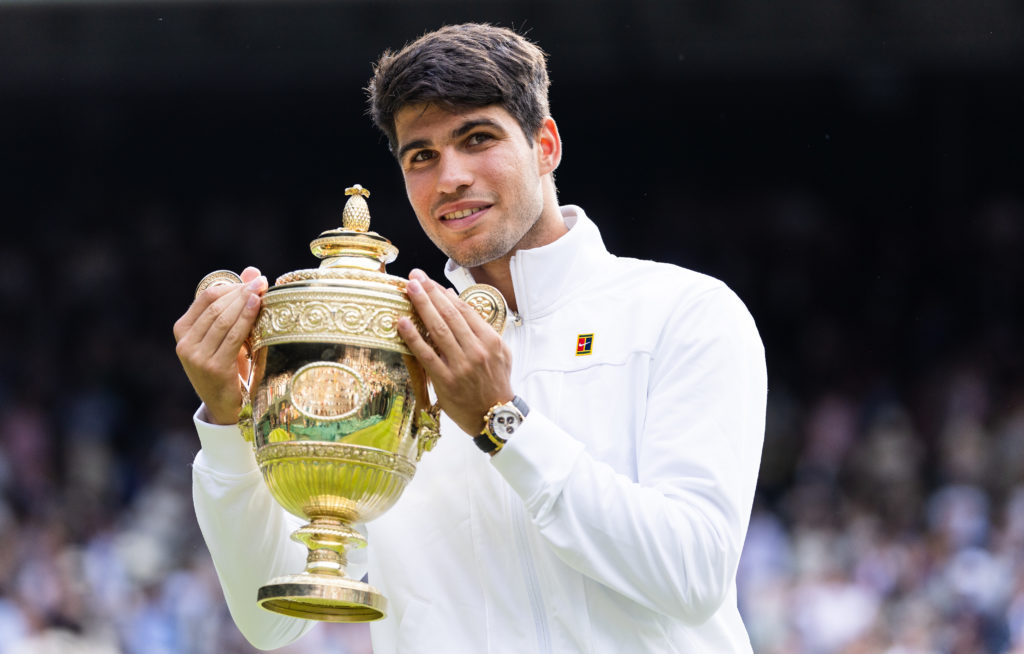
However, they won’t be the only players in with a chance of winning, as several names stand out among the 128-man Wimbledon field.
Fans are looking forward to seeing 128 of the best players in the world take part, something that didn’t happen at the All England Club 52 years ago.
At Wimbledon in 1973, 81 players, including defending champion Stan Smith, boycotted the event.
81 players boycotted Wimbledon in 1973 protesting the suspension of Nikola Pilic
In May 1973, Nikola Pilic was accused of refusing to play a Davis Cup tie by the Yugoslav Tennis Association.
That same month, Pilic reached the final of the French Open, losing out to Romania’s Ilie Nastase in straight sets.
Furious with Pilic’s Davis Cup no-show, the Yugoslav Tennis Association suspended him for nine months.
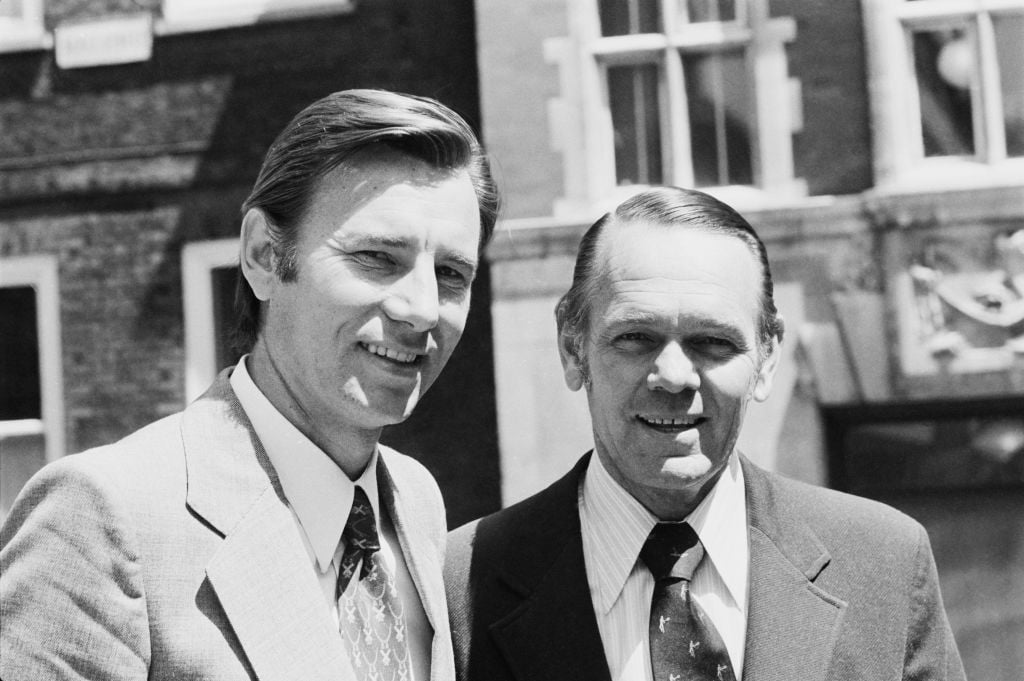
The suspension was supported by the ITF (International Tennis Federation), albeit reduced to a single month, which still would have seen him miss Wimbledon.
In a show of solidarity, the newly formed ATP (Association of Tennis Professionals) decided that if Pilic was not allowed to compete, they would boycott Wimbledon.
After both sides failed to reach an agreement, 81 players committed to a boycott of the tournament, including 12 of the 16 seeds.
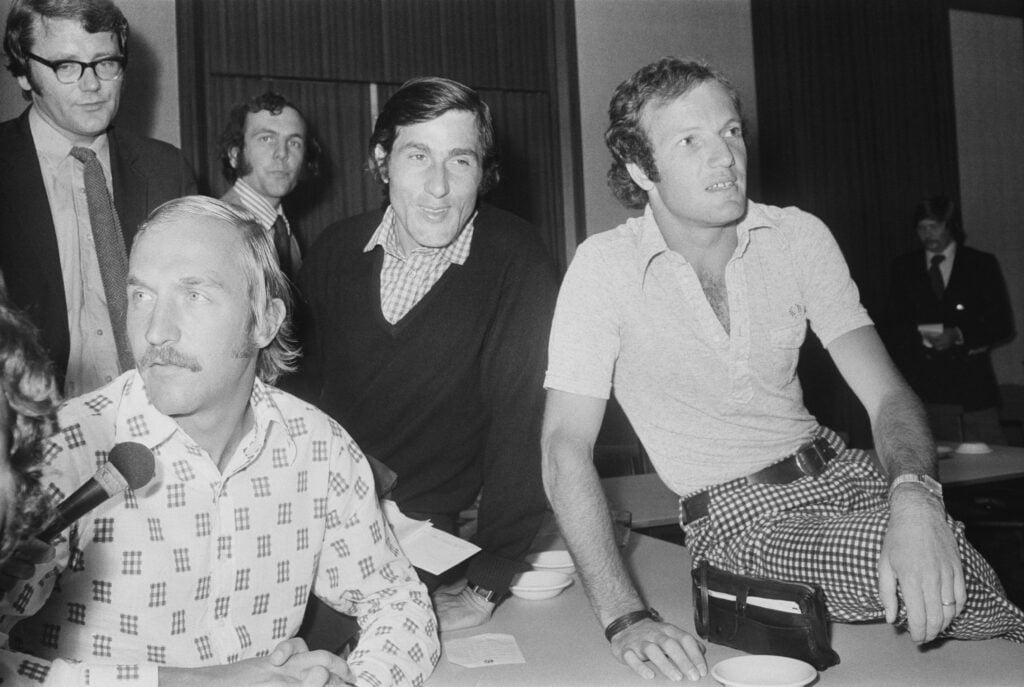
Original top 16 seeds at Wimbledon in 1973
- 1. Stan Smith (boycotted)
- 2. Ilie Nastase
- 3. John Newcombe (boycotted)
- 4. Arthur Ashe (boycotted)
- 5. Ken Rosewall (boycotted)
- 6. Tom Okker (boycotted)
- 7. Marty Riessen (boycotted)
- 8. Roy Emerson (boycotted)
- 9. Tom Gorman (boycotted)
- 10. Cliff Richey (boycotted)
- 11. Adriano Panatta (boycotted)
- 12. Manuel Orantes (boycotted)
- 13. Alex Metreveli
- 14. Bob Lutz (boycotted)
- 15. Jan Kodes
- 16. Roger Taylor
Post-boycott seeds at Wimbledon in 1973
- 1. Ilie Nastase
- 2. Jan Kodes
- 3. Roger Taylor
- 4. Alex Metreveli
- 5. Jimmy Connors
- 6. Bjorn Borg
- 7. Owen Davidson
- 8. Jurgen-Fassbender
The new number-one seed, Nastase, had originally been involved with the boycott as a member of the ATP, but claimed he was forced to play under orders from the Romanian army and government.
It has since been suggested that the Romanian star contrived to lose his fourth-round match at Wimbledon in support of the boycott, although he has never commented on this speculation.
The tournament certainly got off to a rocky start, but who came away with the title in 1973?
Who won Wimbledon in 1973 after the 81-man boycott?
Competing in a field containing 50 lucky losers and 29 qualifiers, six of the revised top-eight seeds advanced to the quarterfinals.
- QF 1 – Sandy Mayer v [8] Jurgen Fassbender
- QF 2 – [4] Alex Metreveli v [5] Jimmy Connors
- QF 3 – [6] Bjorn Borg v [3] Roger Taylor
- QF 4 – Vijay Amritraj v [2] Jan Kodes
America’s Sandy Mayer, the Soviet Union’s Alex Metreveli, Britain’s Roger Taylor, and Czechoslovakia’s Jan Kodes were the four to make their way through to the semi-finals.
In four sets, Metreveli defeated Mayer 6-3, 3-6, 6-3, 6-4, before Kodes took down Taylor 8-9, 9-7, 5-7, 6-4, 7-5, setting up an intriguing final between the pair.
Kodes, twice a French Open champion, was the heavy favorite against Metreveli, who was making his Grand Slam final debut at Wimbledon.
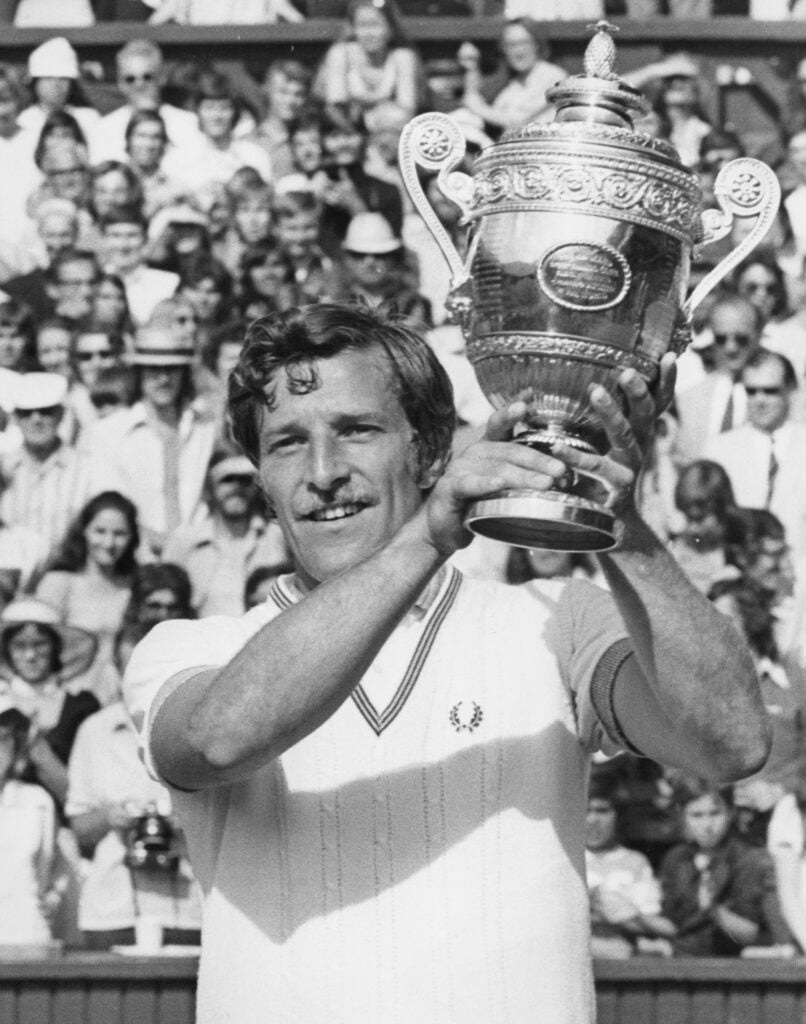
Producing a clinical performance in the final, Kodes got the better of Metreveli in straight sets 6-1, 9-8, 6-3, to clinch his third and final major title.
Following the conclusion of one of the most divisive tournaments in tennis history, normal service resumed in 1974.
Pilic and the rest of the ATP returned to compete in a tournament won by America’s Jimmy Connors.
Receive exclusive tennis news and updates twice a week to your mailbox