
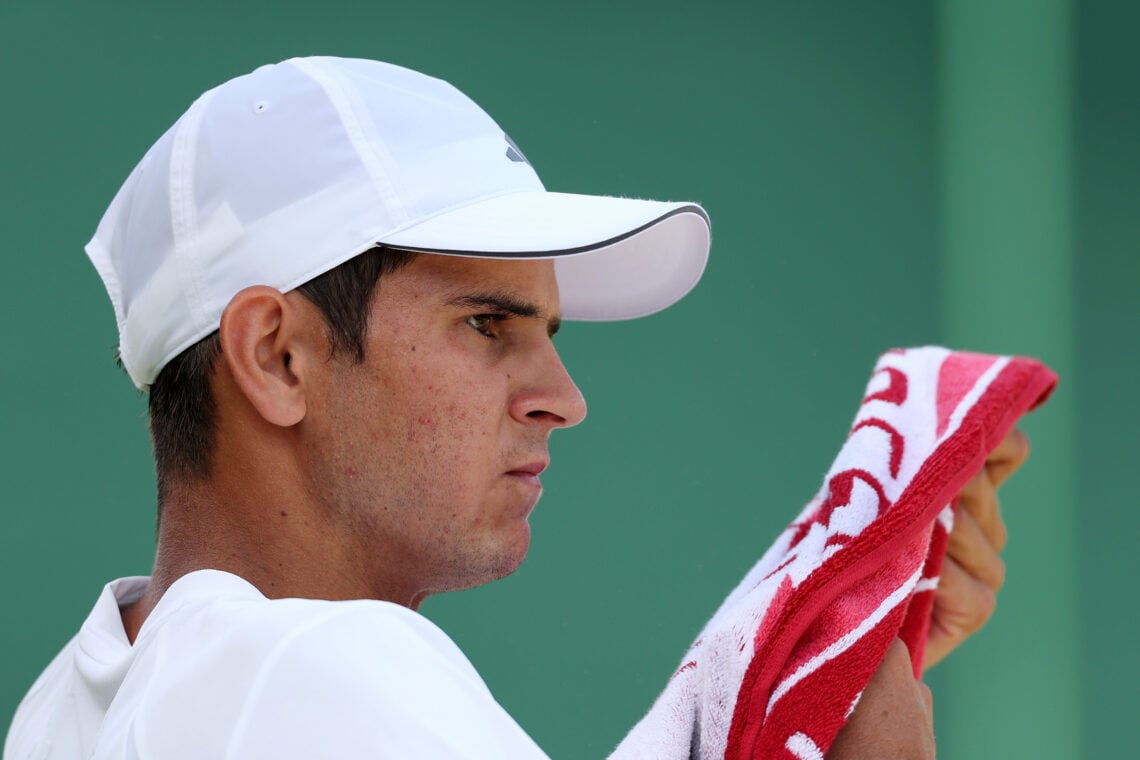

Prior to the 2026 grass swing getting underway, it certainly felt as though a new generation had officially arrived on the ATP Tour.
Amid the constant speculation from fans and pundits about who will snap the dominance of Carlos Alcaraz and Jannik Sinner at the top of men’s tennis, the answer had seemed to present itself during the clay-court season in the form of Joao Fonseca and Rafael Jodar.
Fonseca, aged 19, has been tipped as the next big star for quite some time now, but had yet to prove himself on the biggest stages until this year’s Roland Garros, where he reached the quarterfinals, beating Novak Djokovic from two sets down en route, in what was truly a statement win.
Which Grand Slam title would you like to see Joao Fonseca win?

Jodar, also 19, was a largely unheralded name heading into the clay swing, where he announced himself to the tennis world by reaching the semifinals in Barcelona and the quarterfinals in Madrid, Rome and Paris.
Both the Brazilian and the Spaniard were expected to make deep runs at this year’s Wimbledon Championships, but in hindsight, those expectations were perhaps unfair.
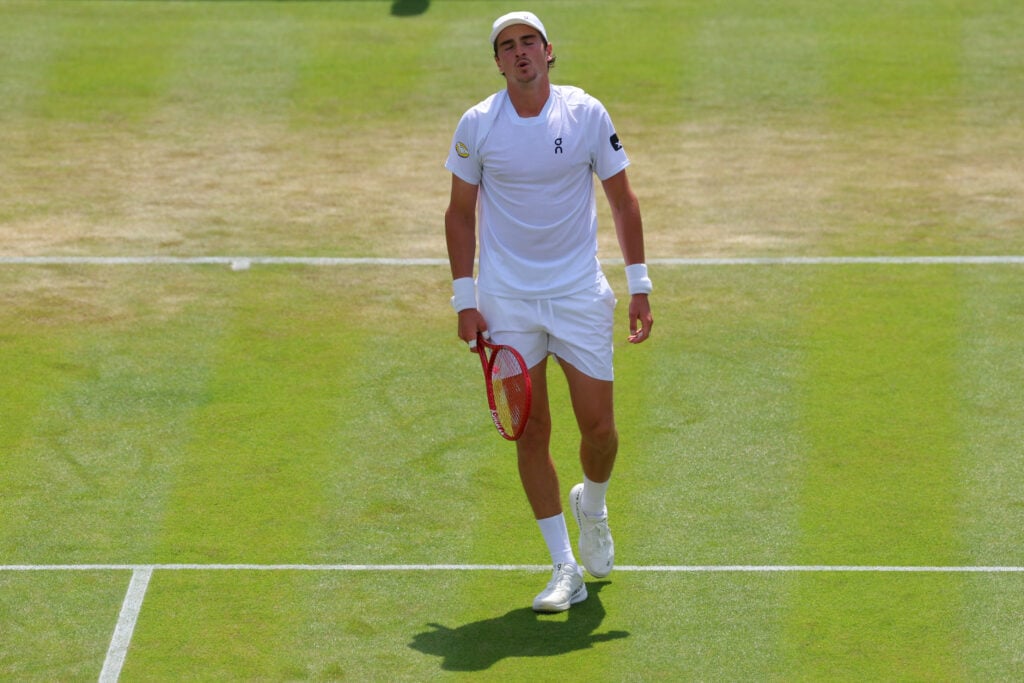
Joao Fonseca and Rafael Jodar exit Wimbledon in round three
Grass has always been the most challenging surface to work out for the majority of tennis stars, and it makes sense why.
Not only is it the surface on which players spend the least time throughout the season, but it also demands and rewards a very specific style of tennis.
Its low bounce and high speed require excellent movement, but movement itself on grass is harder to master than that of clay and hard court, with the lawns at Queen’s and Wimbledon having been notoriously slippery over the years.
Add to that the fact that many professionals have had little experience on grass in their development years; a description that can be applied to both Fonseca and Jodar.
This year’s Wimbledon Championships marked the first tour-level grass-court tournament of Jodar’s career.
Where do you think Rafael Jodar will be ranked at the end of 2026?
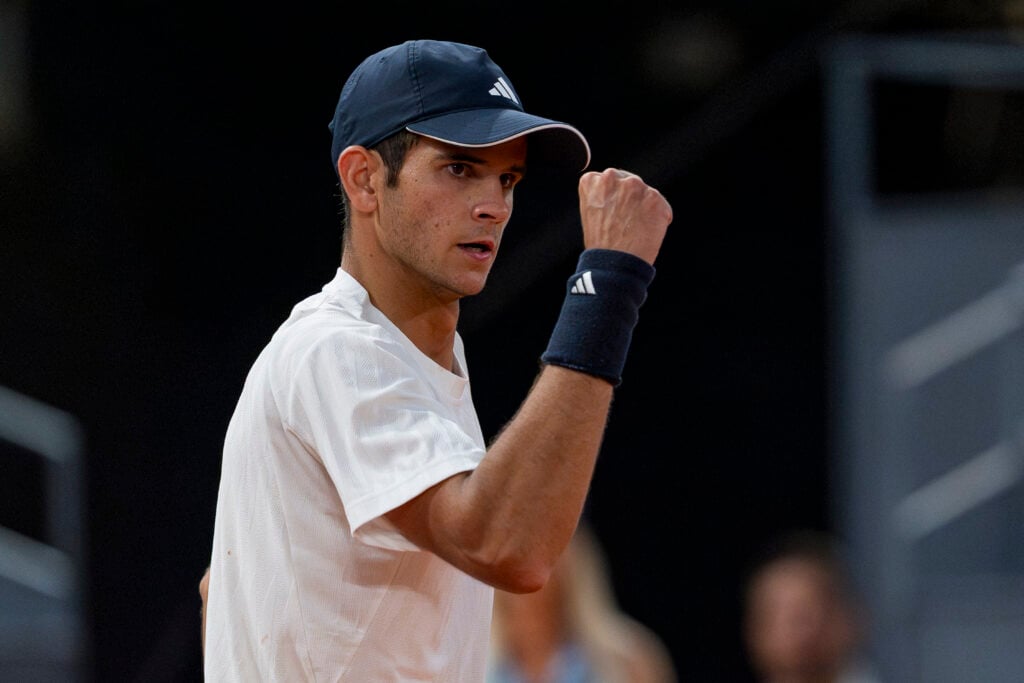
He was scheduled to appear at Queen’s earlier in the swing, but had to pull out due to injury, before making his grass debut at the All England Club.
Meanwhile, Fonseca entered Wimbledon 2026 having played just eight matches on the surface in his career, five of which were losses.
Fonseca and Jodar both showed just how great they can be on clay at Roland Garros, with the high-bouncing surface allowing the big hitters time to take full swings and power the ball through the court.
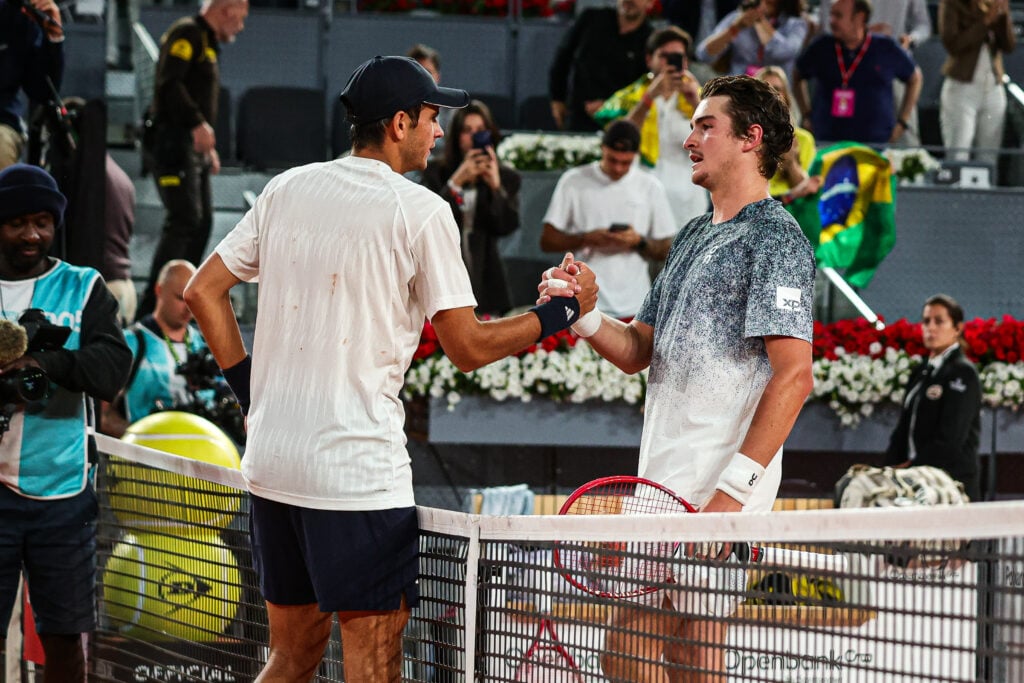
But grass simply does not allow such time, which is a problem many players have taken a number of seasons to solve.
So while it’s a huge blow to have two of the more exciting names bow out of Wimbledon so early, tennis fans should not be concerned about the future of men’s tennis after the defeats for Fonseca and Jodar.
The two, who have already proven they can mix it with the world’s very best on clay, will need time to get used to grass in the upcoming seasons and, with the avoidance of injury, will certainly do damage in SW19 in the near future.
Greg Rusedski reacts to Joao Fonseca and Rafael Jodar’s exits
Speaking on his podcast, ‘Off Court with Greg‘, former British player Greg Rusedski reacted to the losses of Jodar and Fonseca.
“They’re not natural grass court players,” said Rusedski. “You look at the subtlety of Djokovic, using the slice, coming in at times, knowing how to use the craft of the court, using the soft bounce when you use the soft drop shot or the angled volley.
“These are little subtleties. Jodar is playing within himself at 85 percent. If you try to go gangbusters, power, power, power, it doesn’t work on grass as much. It’s more placement.
“It’s more about using the grass. It’s taking the ball early, shifting weight. You don’t always have to go massive because sometimes on grass, when you go big, the ball sits up a little bit more.
“When the heat comes next week and it gets to 28 to 30 degrees, then going big, the ball will skid through a little bit quicker.
“So in these conditions, which are fractionally slower, you have to get the balance. And I think it’s experience in getting used to playing on the grass courts.
“Hard courts and on clay, these guys are gangbusters because everything’s up high. You can swing away, go for it. On grass, they have to learn those little subtleties, as I like to say, and they’re still very, very young.”
Jodar and Fonseca will now set their sights on the North American hard-court swing, with the US Open being the next and final Grand Slam of 2026.
Receive exclusive tennis news and updates twice a week to your mailbox