

The ATP and WTA tours continue this week with the French Open, where many of the world’s biggest stars remain.
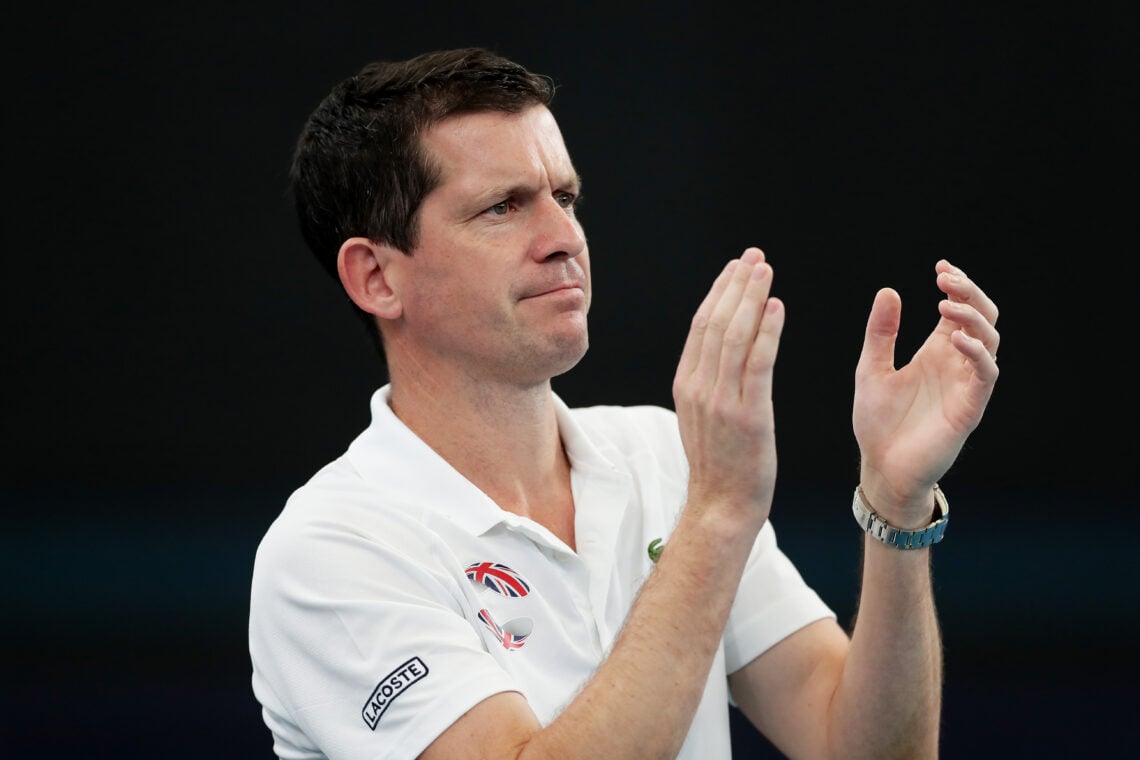
ATP number one Jannik Sinner and WTA number one Aryna Sabalenka have both made it into round four, along with the likes of Carlos Alcaraz and Coco Gauff.
The French Open has followed the likes of the Madrid Open and Italian Open in the schedule, while the Australian Open has already been and gone.
And the busy schedule continues after Roland Garros, with the likes of Wimbledon and the US Open both taking place this summer.
The grass court Grand Slam starts at the end of June, with the hard court event getting underway in August.
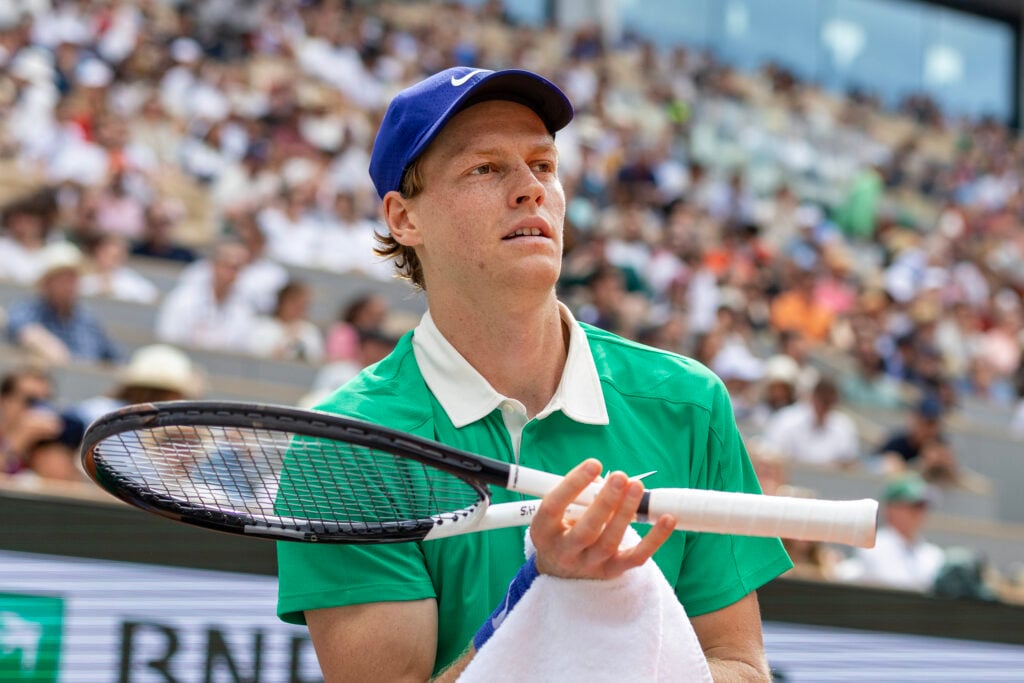
Tim Henman suggests change to reduce prize money but make players happier
And speaking during the halfway stage of the French Open, former British number one Tim Henman has shared his take on the current situation.
He said on TNT Sports: “The reality is that the way those tours are structured, they’re 50% players, 50% tournaments.
“And so right now you’ve got a situation where 50% of your business are extremely unhappy. And you know, in an ideal world, I think the players would say, we’d like to go back to eight-day Masters 1000s, and admittedly those draws would then be smaller, so then you go back and you say, well, there are fewer jobs, there’s less prize money.
“But there has to be that structure for the players, but also the narrative for the fans. When you look at the calendar, in my opinion there’s too much irrelevant tennis.
“You want to have the best players playing against each other at the biggest events, and those are led by the slams, they’re the cornerstones of the sport.
“But then underneath that, if you had probably 10, 11, 12 events, but they were eight-day events, to have no tennis is a good thing.
“The week after a Grand Slam, to have a break for everyone, for the players, for the tournaments, and for the fans, so that when you see the players on television, it has meaning.
“And I think the reality is that it’s very difficult given that structure, because there will be winners and losers.
“If you say there’s going to be less tennis, there are going to be tournaments that lose out. They own sanctions, they’ve paid a lot of money to have those events.
“So it is difficult, but right now you’ve got a situation where 50% of your business are extremely unhappy, and that’s the players, and they’re the most important.”
Will the ATP and WTA tours address scheduling and prize money complaints?
As Henman alluded to, it is certainly a tricky problem that has transpired in tennis, with no easy solution on the cards.
The former professional also referenced prize money, which like the busy schedule has been a major talking point in recent times.
READ MORE: Carlos Alcaraz doubles down on his tennis schedule complaints after winning the China Open
The top 20 ATP and WTA players want more prize money at Grand Slams, which again is a tricky issue to tackle.
It remains to be seen if the powers that be take action on the current issues, which likely won’t go away anytime soon.

For now, however, the French Open supporters have been as boisterous and as passionate as ever in Paris.
And they have been treated to many high-end battles between top-class players, which is ultimately what many fans are paying money for, whether that be live at venues or on TV.
Grand Slams are gruelling enough for players without other key events immediately on either side, which have seen withdrawals due to too much tennis for some players.
Injuries it seems are becoming increasingly common, with the surface changes likely playing its part along with the busy schedule.
Receive exclusive tennis news and updates twice a week to your mailbox