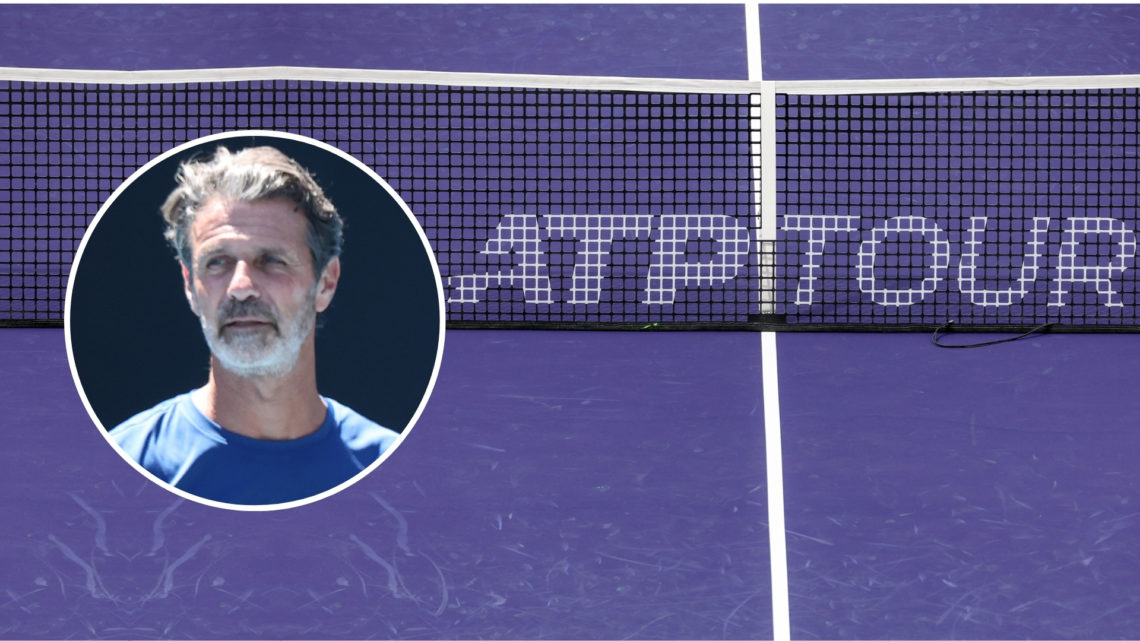

Fans are eagerly anticipating the second Grand Slam of the season, which begins next month.
World number one Jannik Sinner beat Alexander Zverev in January to win the year’s first Major title at the Australian Open.
Sinner was then suspended for three months but will return in time for the French Open in May.
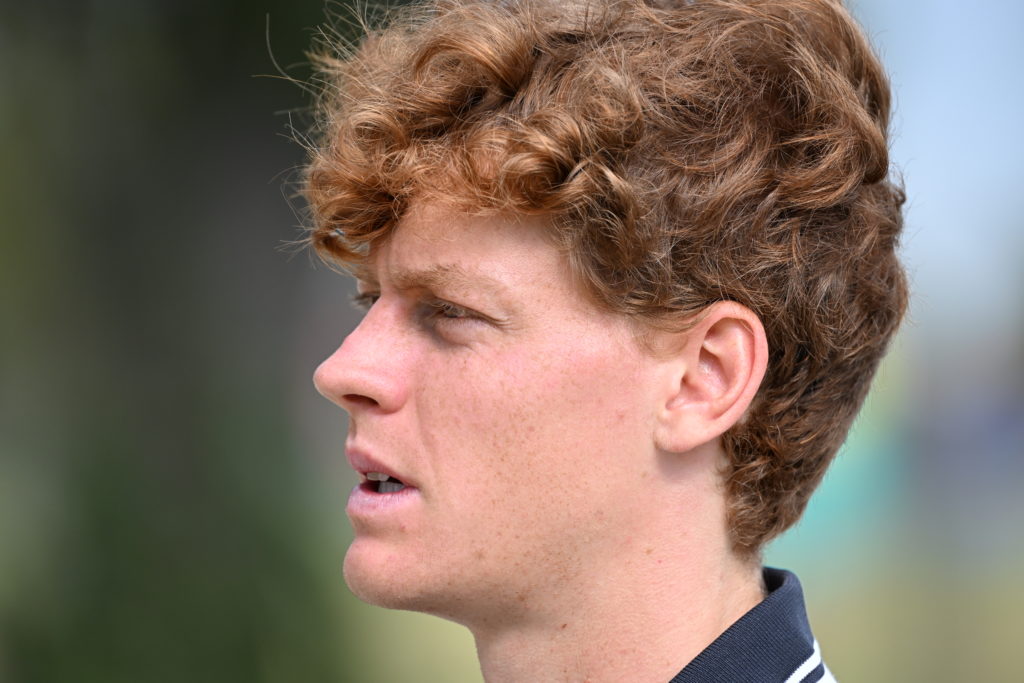
Spaniard Carlos Alcaraz is the defending champion at Roland Garros and will likely be the favorite on the clay once more.
As the second Major tournament of 2025 approaches, one top WTA coach has shared what happens at the sport’s biggest events, which he thinks is ‘terrible’ for the players.
Patrick Mouratoglou says late match finishes are ‘terrible’ for players on the ATP Tour
Speaking on Instagram, Naomi Osaka’s coach, Patrick Mouratoglou, picked the one thing that happens on the ATP Tour that is ‘terrible’ for players.
“About finishing late, it’s not easy because of the format of tennis; you never know when it is going to end,” said Mouratoglou.
“So when you start a five-set match at 10 PM, you can finish at 2 AM, 3 AM maximum, but is it bad for the players?
“100%, it’s terrible.
“It’s terrible because people have to understand that when you finish a match at 2 AM, you need three to four hours to come down because the adrenaline is extremely high and you can’t go to sleep.”
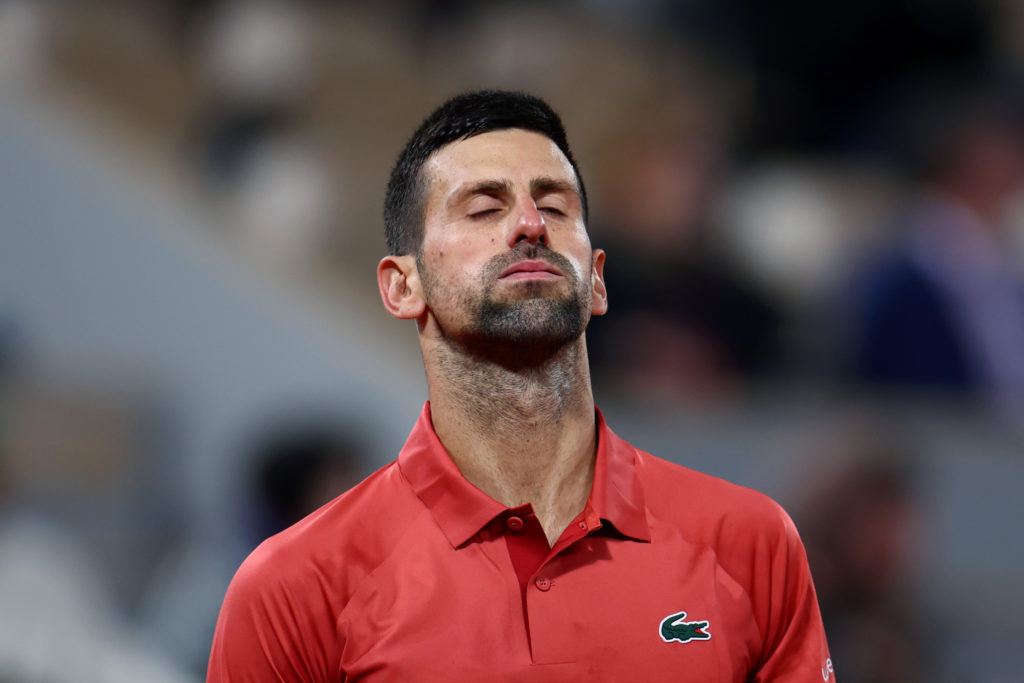
Mouratoglou explained what players must do before going to sleep, regardless of how late the match finishes.
“You need the treatment, you have the press, you have this, you have that, so probably you go to bed at 6 AM,” he said.
“You need to recover the next day because you’re playing again one day later.”
The Frenchman was, however, keen not to lay the blame entirely at the feet of the Grand Slams and the ATP Tour.
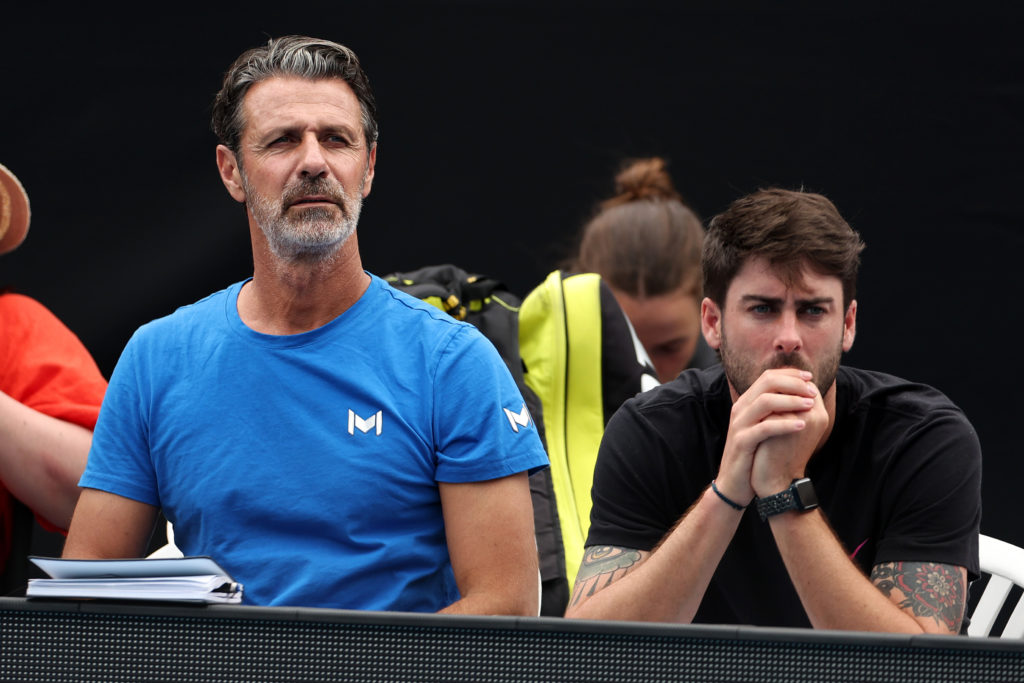
“So these are things that need to be solved. I don’t want to blame ATP for that or Grand Slams because again the format of tennis with no ending, you don’t know when it is going to end, makes it extremely difficult,” said Mouratoglou.
Grand Slam events often host later matches, thanks to the best-of-five format, with several contests going deep into the early hours over the years.
| Grand Slam tournament | Match | Time finished |
| Australian Open | 2008 Australia Open 3R – Lleyton Hewitt beat Marcos Baghdatis | 4.34 AM |
| French Open | 2024 French Open 3R – Novak Djokovic beat Lorenzo Musetti | 3.06 AM |
| Wimbledon | 2012 Wimbledon 3R – Andy Murray beat Marcos Baghdatis | 11.02 PM |
| US Open | 2022 US Open QF – Carlos Alcaraz beat Jannik Sinner | 2.50 AM |
Home favorite Lleyton Hewitt’s five-set win over Marcos Baghdatis at the Australian Open in 2008 remains the latest finish in Grand Slam history, with the Aussie finally securing the victory at 4.34 AM.
Patrick Mouratoglou thinks the ITIA is doing something ‘extremely unfair’ with doping cases
Mouratoglou went on to share his thoughts on drug testing on the ATP Tour, naming the two problems he has with the current system.
1) Unequal treatment
“The first thing is an unequal treatment, this is really a big thing,” he said.
“Some players are controlled 80 times per year, some others 30, why?
“Why not the same number of controls for everyone?
“Second, when players are controlled positive, [they receive] completely different treatment, whether you are someone very important, important, or not important at all. “
2) Dosage limits
“There has to be a low limit. I don’t think it is normal that someone who has 0.000001 milligrams of something in his system is considered to be doping, because again contamination is everywhere,” said Mouratoglou.
“I think there is a reason why they don’t put a limit, it’s to catch people so they can show that they’re useful.
“I want them to be useful because they catch people who really do doping, not to look useful because they catch people who are innocent which they do all the time and this is for me unacceptable.”
The 54-year-old also believes a structural change is needed within the International Tennis Integrity Agency [ITIA].
“You cannot have an entity, the ITIA, who does the rules, the controls, and the judgment,” he said.
“What is this? This is unacceptable, I think the judgement has to be made by an independent tribunal, and it’s not the case today because the ITIA decides we’re going to put four years to this person.
“They say it’s a tribunal, but it’s a fake tribunal because it’s a private company paid by them.
“So this is not called a tribunal, this is called we do what we want, and this is also extremely unfair.
“We need to be sure that people are not cheating, but it has to be done in a fair way for the players.”
Only time will tell if a change is made to the structure of the ITIA, but it will certainly be something to look out for over the coming months.
Receive exclusive tennis news and updates twice a week to your mailbox