
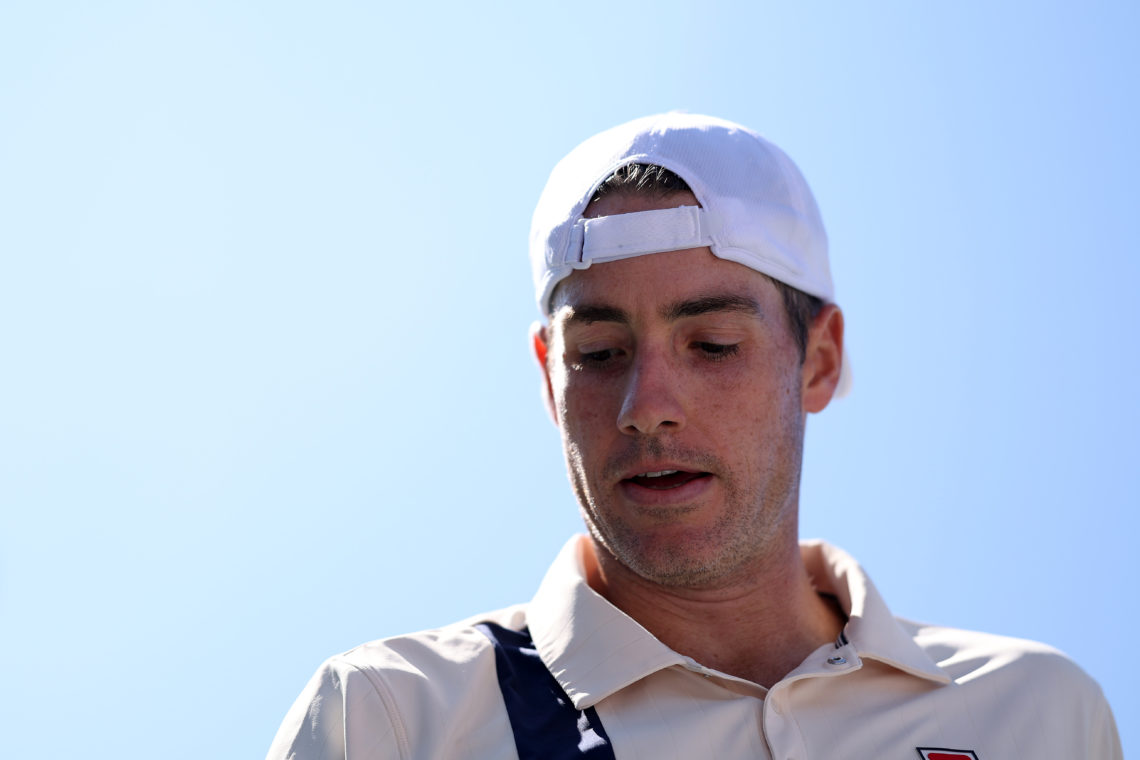

Players and pundits alike have hit back at ATP plans to extend Masters 1000 events to two-weeks.
The WTA Finals wrapped up last week with Coco Gauff securing an impressive title, while the ATP Finals have since kicked off at full speed.
The Paris Masters recently concluded too, marking the last Masters event of the year. They also announced a significant format shift planned for 2025.
Including Paris, the ATP Tour aims to extend several Masters tournaments to a 12-day or two-week format, replacing the current seven-day setup.
This planned expansion has sparked criticism, with Andy Roddick warning that it could overburden players and complicate an already intense calendar.
Stefanos Tsitsipas voiced similar frustrations about the extended schedule on Thursday.
In an unexpected twist, however, Stan Wawrinka responded by calling out Tsitsipas’ stance as hypocritical, referencing past comments from the Greek.
American ace John Isner has decided to wade in to the debate by suggesting something different that could liven up the often overlooked doubles.
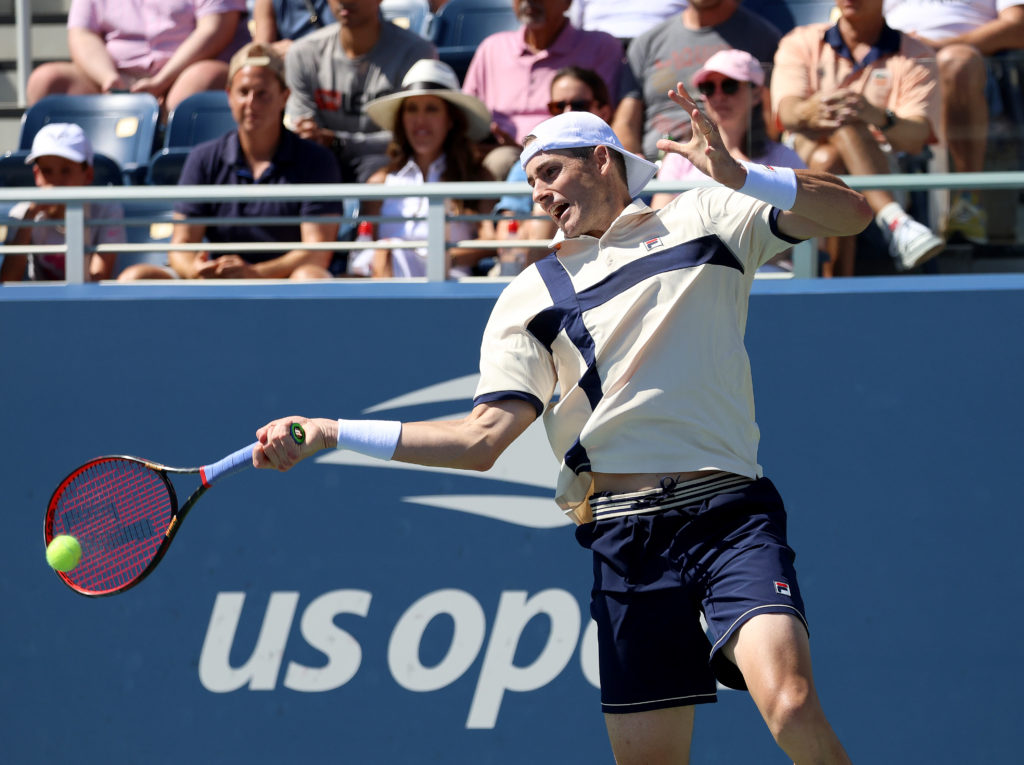
John Isner suggests Masters change for 2025 to ‘sell out’ tickets
Isner recently shared ideas to make the Masters 1000 events more exciting for fans and to keep top players involved throughout the tournament.
Noting how early exits by big names can dampen fan engagement, he suggested a way to encourage these stars and their respective supporters to stay on-site.
He highlighted that if players like Carlos Alcaraz bow out early, it not only hurts their fans but the tournament atmosphere overall.
To tackle this, he proposed adding mixed doubles events featuring top-ranked players, even after they’re eliminated in singles, as well as revamping doubles prize structures to increase participation.
He said on his podcast: “What I would like to institute on a trial basis at the 1000’s events – let’s call in Miami, Indian Wells, Madrid – it could work at all the 1000 events.
“I would like to have a mixed doubles event which Indian Wells is trying but you start it with eight teams or four teams, so the top players who lose early in these tournaments [can enter].
“Carlos Alcaraz loses early at Indian Wells, that’s bad for the tournament and the sport. Let’s incentivise him to stick around. It would sell tickets out in a second. So you have mixed doubles at the 1000 events, so you have Alcaraz and Gauff against Medvedev and Sabalenka or whatever – that is going to sell out.
“It’s a great idea. And I think in the doubles grand slams you cut the field and incentivise players who lose early to compete in doubles for a ridiculous purse.”
Is doubles condemned without major stars?
Doubles faces a challenging situation when it comes to attracting big names, as top singles players often enter doubles draws only to withdraw if they go deep in the singles, leaving their doubles partners and the event in a bind.
This practice not only disrupts doubles events but also takes opportunities away from dedicated doubles players who could have progressed.
There’s a growing sentiment that rather than relying on marquee singles players to boost doubles’ popularity, we should focus on building doubles events and audiences specifically for dedicated doubles specialists.
Doubles itself is exciting, fast-paced, highly tactical, and offers a unique showcase of skills like volleying and net play, which are less emphasized in today’s singles game.
Receive exclusive tennis news and updates twice a week to your mailbox