
The French Open continues to receive criticism for its scheduling decisions at this year’s tournament.
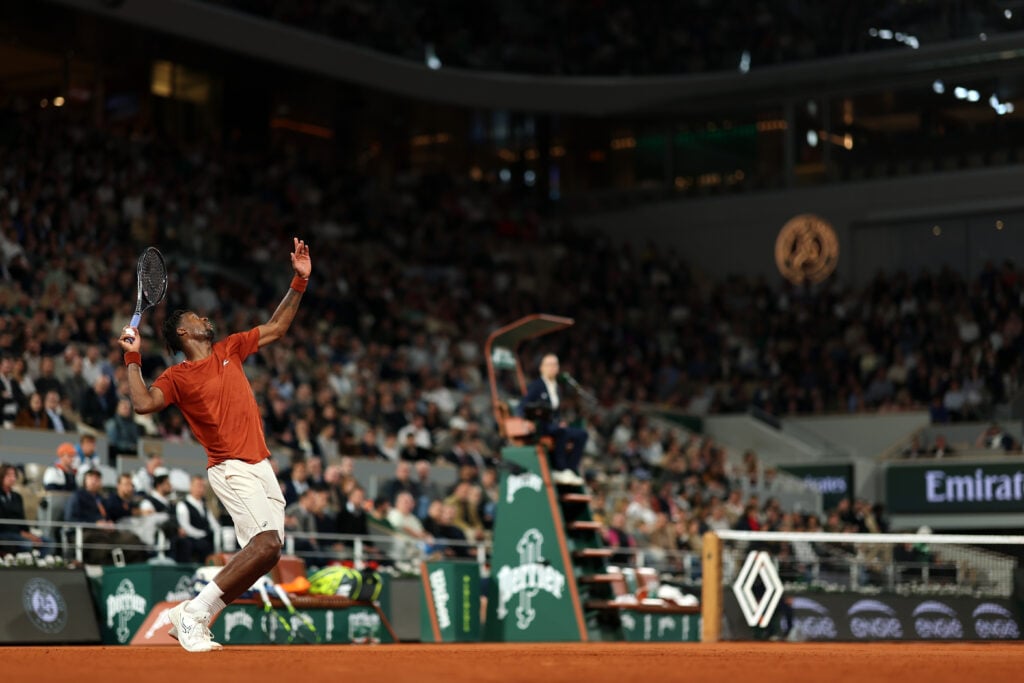
As the tournament reaches its latter stages, fans on Paris’ most famous court, Philippe Chatrier, have yet to see WTA stars headline a night session.
Instead, it’s the men who have been given the nod, entertaining the French Open fans in the evenings.
Several women’s players have shared their thoughts on the controversial topic, including Jessica Pegula who complained about the lack of equality shown.
Iga Swiatek, Ons Jabeur, and Coco Gauff have all expressed similar beliefs, as the question rages on as to why the women aren’t being given the opportunity to shine on Chatrier late into the night.
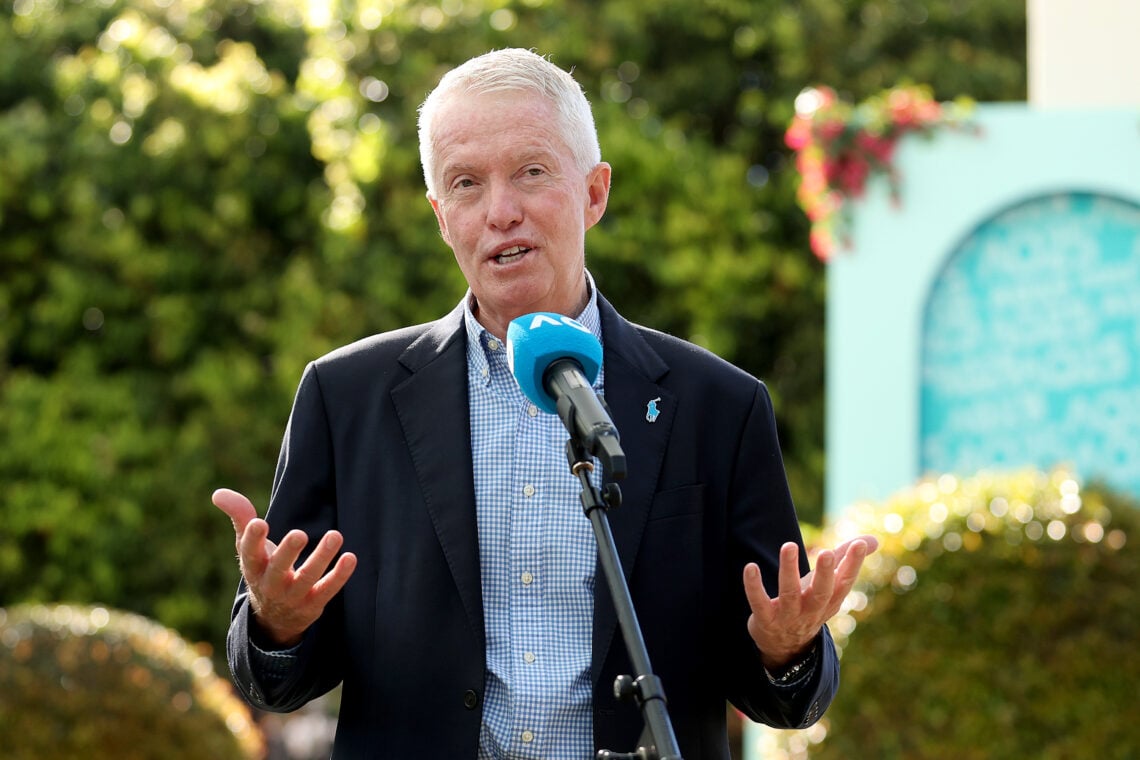
As Roland Garros officials receive complaints, Australian Open tournament director Craig Tiley has weighed in with his thoughts.
Australian Open tournament director Craig Tiley says he ‘makes sure it’s fair’ between men and women
Appearing on the Australian Open YouTube channel, Tiley gave his verdict on the French Open scheduling controversy.
“There are many factors that go into making a decision around scheduling,” said Tiley.
“The French [Open] will have their factors and their considerations, and they have different circumstances from us.
“It’s a new initiative, it’s only been a couple of years that they actually have a night match, normally, like Wimbledon, they just roll through the evening.
“It’s a new thing, and they’ve got one match; they’ve got to take that into consideration.
“I haven’t spoken to anyone at the French Tennis Federation, so I can’t go into the basis of their decision.”
The 63-year-old went on to explain how the Australian Open divides matches between the men and women.
“We have 26 sessions over the course of the fortnight, and a session every night, so there are 14 nights of tennis. Some nights there’s three courts playing with two matches,” said Tiley.
“We generally schedule two matches and share them between the men and the women.
“We start earlier, we start at seven. It’s even, sometimes the men go first, sometimes the women go first. Some years, you may have it more skewed towards the women or more skewed towards the men. But generally, we try to keep it the same as much as we possibly can.
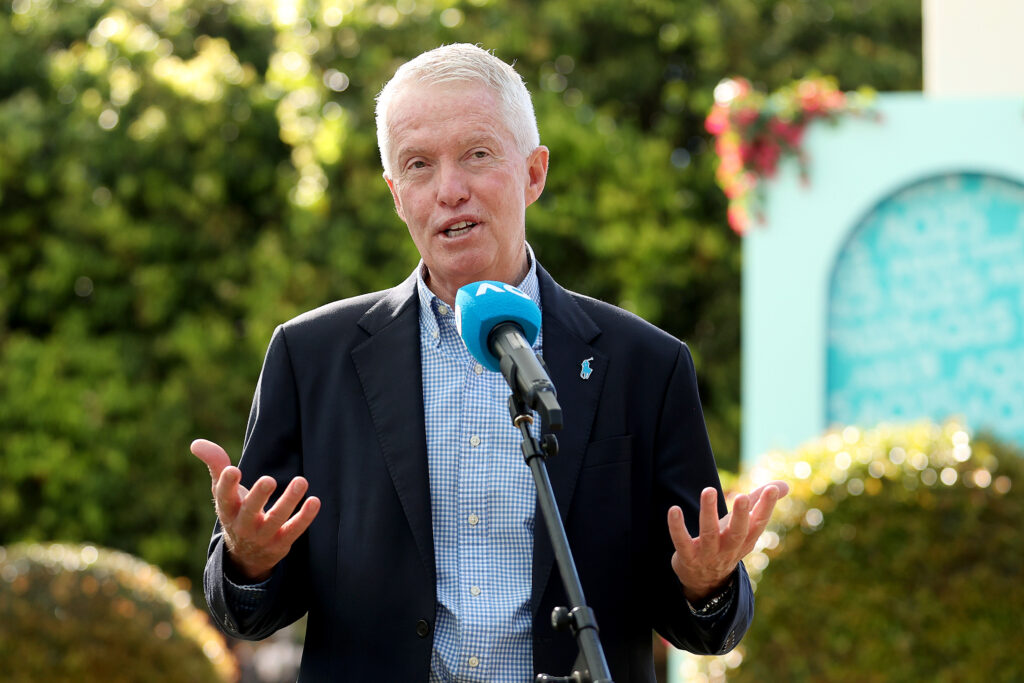
“There’s the added complication of three sets versus five sets, that’s just the time, not a value, because you can get three-set matches that are more intense, but on average, the three sets are going to be shorter.”
Tiley outlined the factors that go into making scheduling decisions at Grand Slam tournaments.
“Our decisions are based on what the players want, what the broadcasters want, between when you played your last match, are you playing singles, doubles mixed?” he said.
“The players are a big part of that too, some like day, some like night, so you take all of these into consideration and you do the best you can.
“Because you’re dealing with two people every time, you’re never going to get it 100%.
“I always say to the players, we’ll make sure it’s fair, not necessarily equal.”
The two key differences between night sessions at the Australian Open and French Open are the start times and number of matches.
In Melbourne, the night session starts much earlier, which gives them the opportunity to schedule two matches, whereas the later start in Paris allows for just one match.
With that being the case, there is more riding on the length of the singular night session match at the French Open.
If they were to schedule a women’s match on Chatrier’s night session, which finished in two short sets, fans would likely leave without a full evening’s entertainment.
Last week, former world number four Tim Henman provided a simple solution to the scheduling controversy, addressing those two key issues.
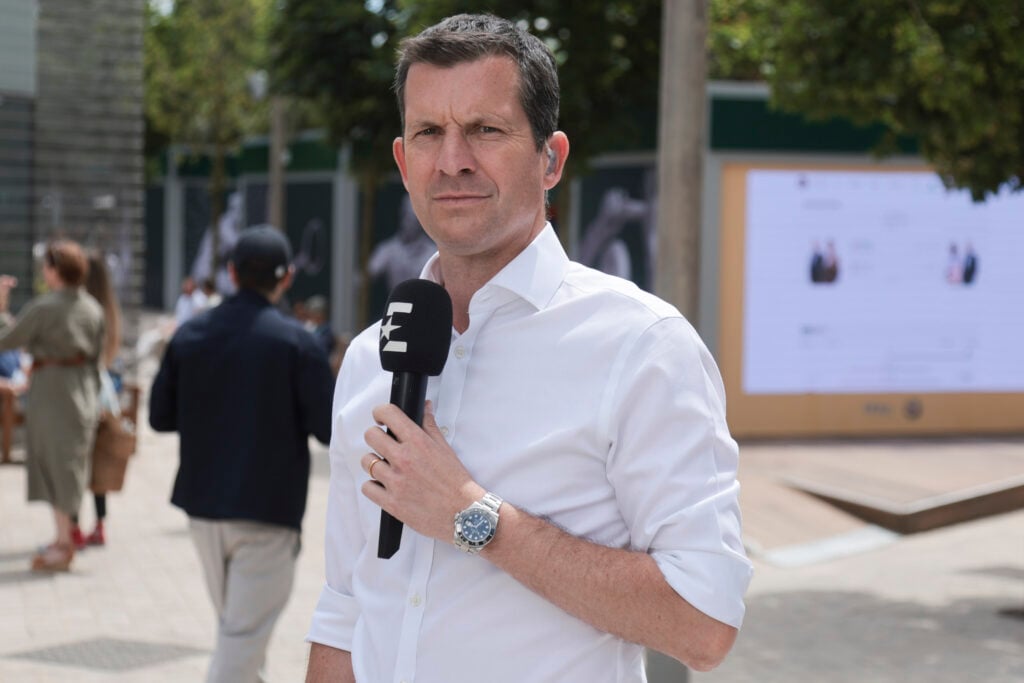
“Go to two matches and start earlier,” said Henman.
It remains to be seen if any changes will be made ahead of the 2026 tournament but it will certainly be something to look out for.
Which women’s matches could have filled the night session slot at the 2025 French Open?
Through the first 11 days of the tournament, fans on Chatrier have been treated to several evening classics between ATP stars, but could their female counterparts have offered up even more entertainment?
| Day | Winner | Loser | Possible WTA alternative |
| 1 | Ben Shelton | Lorenzo Sonego | Aryna Sabalenka d. Kamilla Rakhimova |
| 2 | Jannik Sinner | Arthur Rinderknech | Paula Badosa d. Naomi Osaka |
| 3 | Gael Monfils | Hugo Dellien | Coco Gauff d. Olivia Gadecki |
| 4 | Holger Rune | Emilio Nava | Iga Swiatek d. Emma Raducanu |
| 5 | Jack Draper | Gael Monfils | Madison Keys d. Katie Boulter |
| 6 | Carlos Alcaraz | Damir Dzumhur | Aryna Sabalenka d. Olga Danilovic |
| 7 | Novak Djokovic | Filip Misolic | Jessica Pegula d. Marketa Vondrousova |
| 8 | Lorenzo Musetti | Holger Rune | Iga Swiatek d. Elena Rybakina |
| 9 | Jannik Sinner | Andrey Rublev | Lois Boisson d. Jessica Pegula |
| 10 | Carlos Alcaraz | Tommy Paul | Aryna Sabalenka d. Qinwen Zheng |
| 11 | Novak Djokovic | Alexander Zverev | Lois Boisson d. Mirra Andreeva |
It’s of course up for debate whether the women’s matches would’ve been better choices than the men’s, but the French Open certainly can’t say they weren’t spoilt for choice.
Day 12 of the French Open will see Aryna Sabalenka take on Iga Swiatek, before Lois Boisson plays Coco Gauff.
Receive exclusive tennis news and updates twice a week to your mailbox