
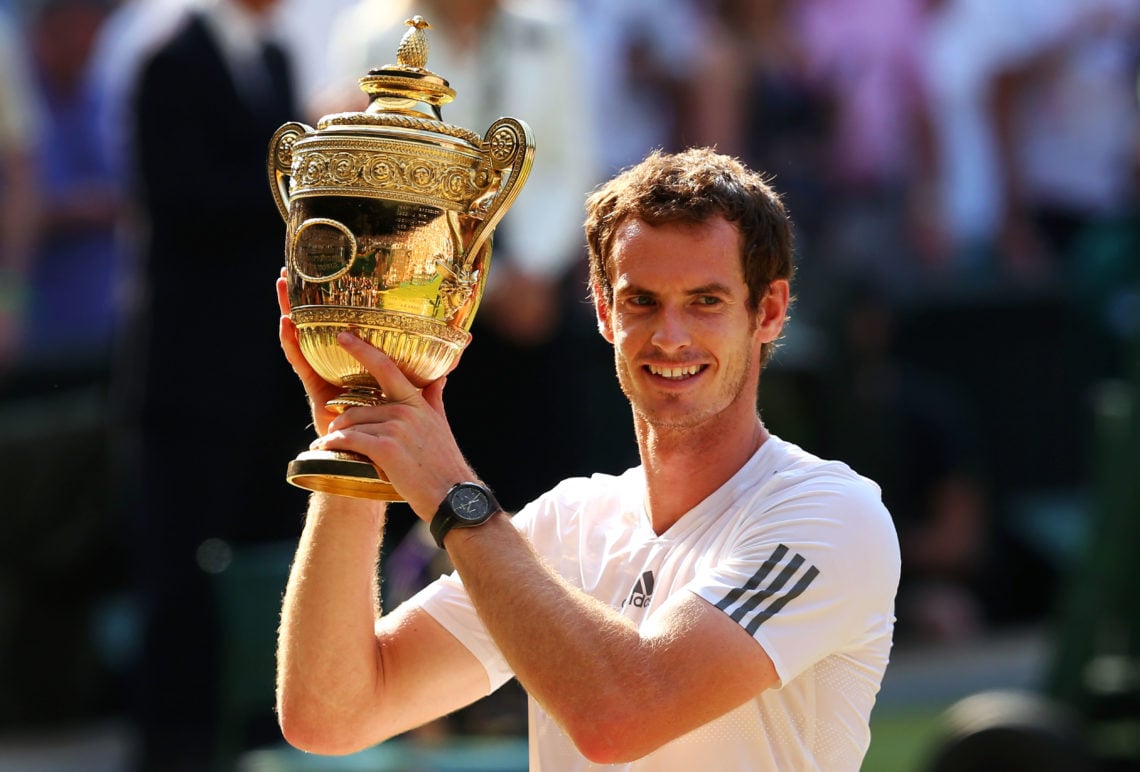

Andy Murray is set to be recognised for his fantastic career efforts at Wimbledon with a statue in his honour.
Wimbledon will build a Murray statue in 2027, the year that marks the 150th anniversary of the iconic Grand Slam.
Murray was surprised after winning his first match at Wimbledon, which arrived as a teenager on the ATP Tour back in 2005.
Following that, Murray won Wimbledon on two occasions, as well as losing the 2012 final to Roger Federer.
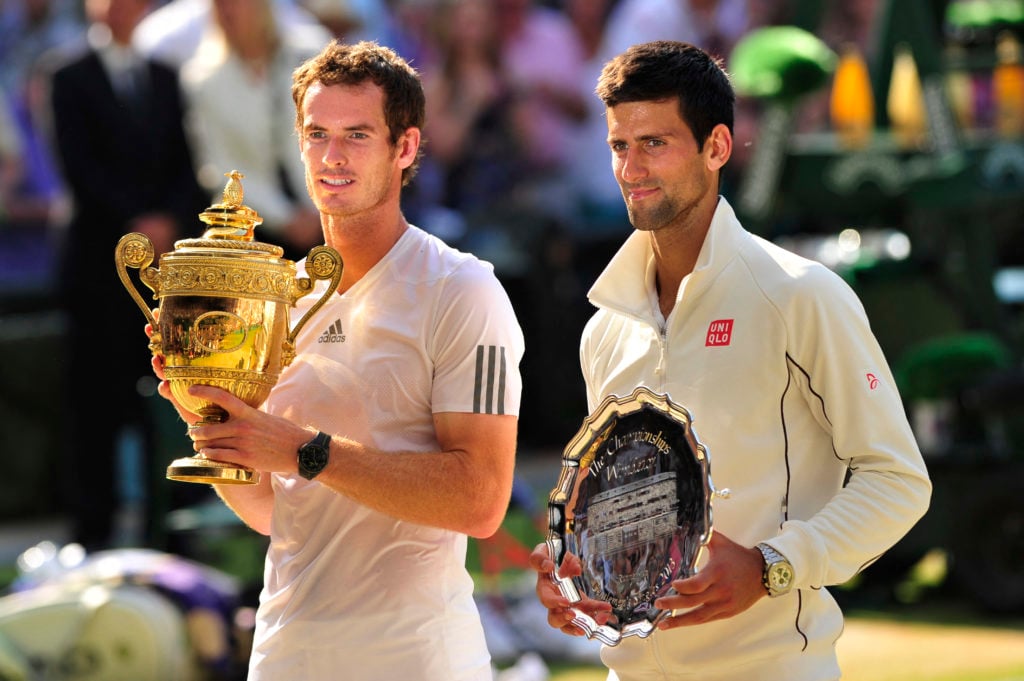
But he will be remembered at the All England Club for his final wins in 2013 and 2016, in which he beat Novak Djokovic and Milos Raonic respectively.
Andy Murray reacts after Wimbledon confirm statue in his honour
The first brought Britain’s 77-year wait for a Wimbledon men’s singles champion to an end, with Fred Perry having represented the previous such winner.
Both men will soon have statues at SW19, with Murray now sharing his reaction to the latest decision from the All England Club.
READ MORE: Andy Murray names the Grand Slam match he played that left him ‘very, very upset’ afterwards
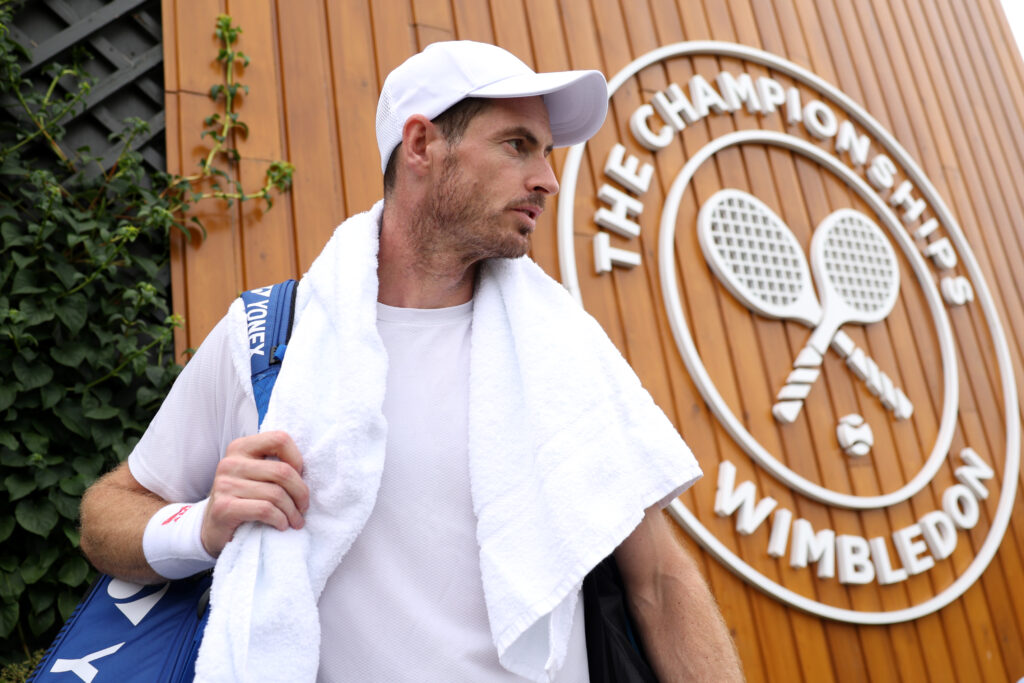
He told BBC Sport: “There have been a few interesting statues over the years, but I would expect that with Wimbledon and their attention to detail that I’m sure it will be great.
“I’m very proud, there’s not many statues around the grounds there, and I always remember seeing the Fred Perry statue when I’ve walked around the grounds and gone to train and practise there over the years. It will be very special.”
How did Andy Murray win his two Wimbledon titles?
Murray constantly had to deal with the pressure from an entire nation at Wimbledon, who were left devastated in 2012 after he reached his first final.
Many fans watching on will have been torn as the home favourite took on the much loved Federer, who won 4–6, 7–5, 6–3, 6–4.
READ MORE: Andy Murray admits he’s felt the opposite of what he thought he would after retiring from tennis

But the Scot bounced back in truly stunning fashion just one year later, where he overcame another nemesis in Djokovic.
Backed by a raucous crowd at the All England Club, the Scot produced unstoppable tennis to win 6–4, 7–5, 6–4.
And more resilience was needed when he returned to the Wimbledon final in 2016, having suffered further heartbreak elsewhere.
He couldn’t be stopped at the grass court Grand Slam once more, with Raonic the victim of his 6–4, 7–6(7–3), 7–6(7–2) victory.
| Result | Year | Tournament | Opponent | Score |
| Loss | 2008 | US Open | Roger Federer | 2–6, 5–7, 2–6 |
| Loss | 2010 | Australian Open | Roger Federer | 3–6, 4–6, 6–7(11–13) |
| Loss | 2011 | Australian Open | Novak Djokovic | 4–6, 2–6, 3–6 |
| Loss | 2012 | Wimbledon | Roger Federer | 6–4, 5–7, 3–6, 4–6 |
| Win | 2012 | US Open | Novak Djokovic | 7–6(12–10), 7–5, 2–6, 3–6, 6–2 |
| Loss | 2013 | Australian Open | Novak Djokovic | 7–6(7–2), 6–7(3–7), 3–6, 2–6 |
| Win | 2013 | Wimbledon | Novak Djokovic | 6–4, 7–5, 6–4 |
| Loss | 2015 | Australian Open | Novak Djokovic | 6–7(5–7), 7–6(7–4), 3–6, 0–6 |
| Loss | 2016 | Australian Open | Novak Djokovic | 1–6, 5–7, 6–7(3–7) |
| Loss | 2016 | French Open | Novak Djokovic | 6–3, 1–6, 2–6, 4–6 |
| Win | 2016 | Wimbledon | Milos Raonic | 6–4, 7–6(7–3), 7–6(7–2) |
His Grand Slam success certainly wasn’t limited to London, with Murray having also triumphed at the US Open in 2012.
It was, in fact, his maiden Grand Slam success, and involved a thrilling 7–6(12–10), 7–5, 2–6, 3–6, 6–2 win over Djokovic.
Receive exclusive tennis news and updates twice a week to your mailbox