
The 1979 US Open was the first of many Grand Slam titles for John McEnroe, but it did not all go how he wanted it to in hindsight.
McEnroe is a seven-time major winner in singles, winning both Wimbledon and the US Open on multiple occasions.
During his decorated career, McEnroe had many fierce rivalries and was not always the most popular figure on court.
After McEnroe officially retired from professional tennis, he started to lookback on his career and admitted that he did have some regrets.
John McEnroe admits regret about what he did after winning his first Grand Slam
After McEnroe beat Jimmy Connors in the US Open semi-final, he reached his first Grand Slam final at just 20-years-old.
This is where he would meet his compatriot and 1977 Australian Open champion Vitas Gerulaitis, who McEnroe had beaten just weeks prior at a tournament in Toronto.
McEnroe would repeat this result and beat Gerulaitis, 7-5 6-3 6-3, to claim a first Grand Slam title at his home major.
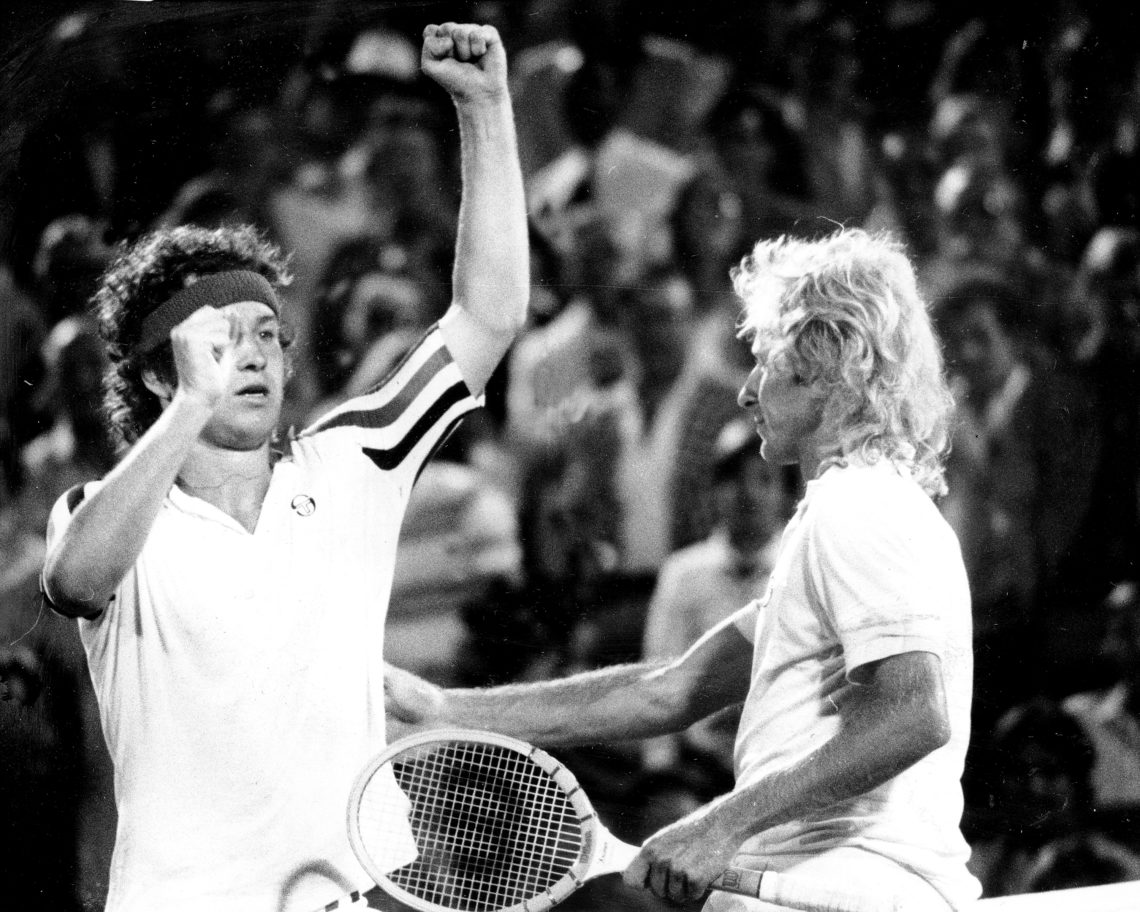
Despite the joyous occasion of winning his first major title, over 43 years later McEnroe admitted he had some regrets about his interaction with Gerulaitis at the net.
When speaking on the Undeniable Show, McEnroe also revealed that fans in the crowd were disappointed that top seed Bjorn Borg and the aforementioned Connors were not in the final.
“I thought, and I know Vitas thought this God rest his soul, that this was amazing because we were two guys who grew up within 20 minutes of this facility,” said McEnroe. “He grew up in Howard Beach, Queens. I grew up in Douglas in Queens. So we literally were hometown kids.
“We go out there thinking people are going to love it and they’re p***** off, they’re literally booing us in a way because they wanted to see [Bjorn] Borg play [Jimmy] Connors in the final.
“When I played Vitas I had very mixed emotions. I felt like I was a better player. I loved Vitas but I felt like I had more game than he did and I thought maybe I wanted it more than he did. So I felt this was a golden opportunity as far as winning my first major.
“I felt bad though because I wanted him to win a US Open also, but I didn’t want him to beat me. So you have to put that aside at that particular time and then feel and about it or pretend to feel bad about it later. When you win something like that you feel like you can fly a bit. That moment when everything is released and you have done it, you have actually pulled it off.
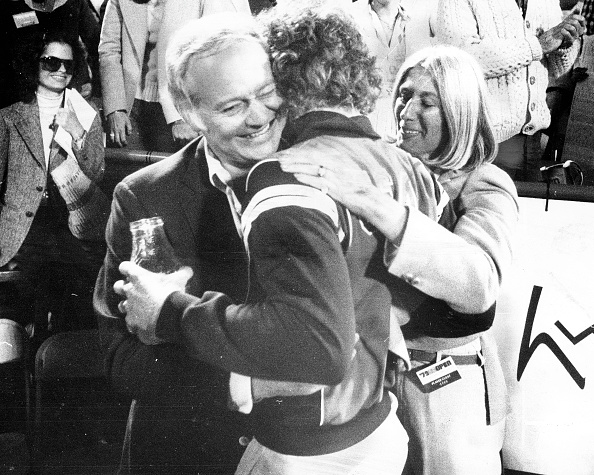
“I felt bad. I always look at when we shook hands, I could feel that Vitas was trying to reach out and maybe hug me and I sort of brushed him off as I was looking at my family and my parents and things like that. I think it’s nice to see players, gladiators, athletes – whatever you want – when they finish something embrace. I wish I had done that. But besides that it felt amazing and then you taste it and realise that you want to taste it a lot more.”
What happened the next time John McEnroe played Vitas Gerulaitis?
It appears that Gerulaitis did not take his US Open final defeat lightly, going onto beat McEnroe in their next three meetings.
This includes the WCT Tournament of Champions final in Forest Hills, with Gerulaitis coming from a set down to beat McEnroe, 2-6 6-2 6-0.
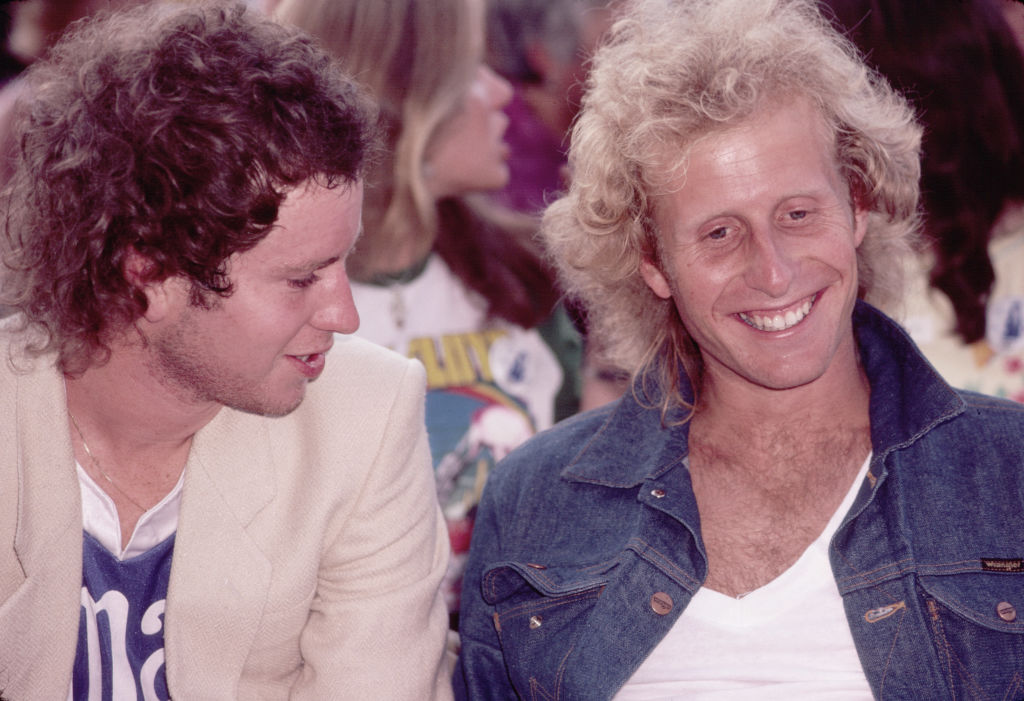
However, after this match McEnroe regained authority in their rivalry and did not lose another match against Gerulaitis.
After winning his first Grand Slam title, McEnroe would win three consecutive US Open titles that included beating Gerulaitis in the 1981 semi-final.
Gerulaitis would tragically pass away in 1994, with McEnroe one of the pallbearers at his funeral service.
Receive exclusive tennis news and updates twice a week to your mailbox